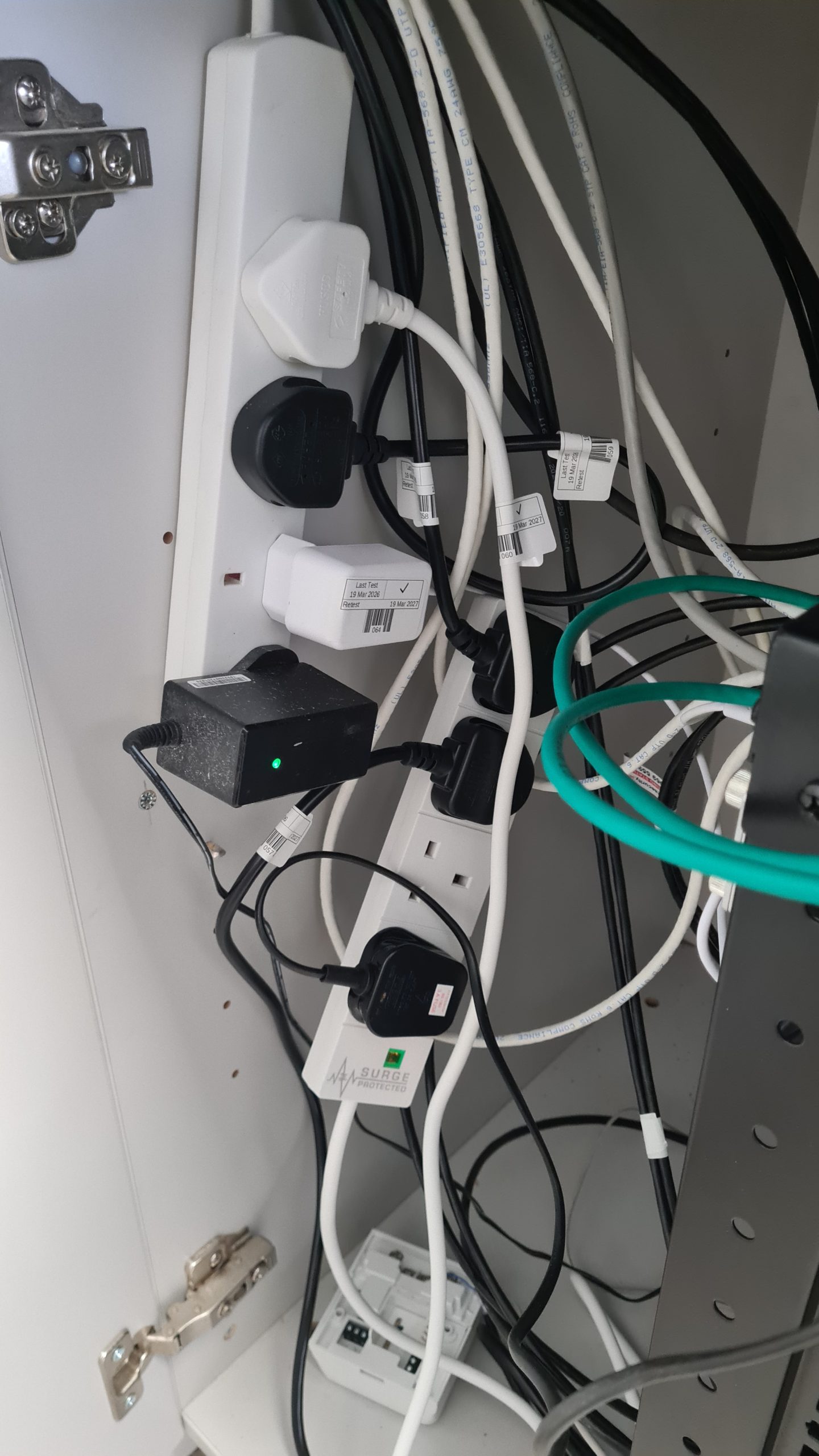
Portable electrical equipment, often referred to as pluggable devices, presents a significant but manageable risk in the workplace. Under the Safety, Health and Welfare at Work (General Application) Regulations 2007, specifically Part 3, Chapter 2 (Regulations 81–83), employers are required to ensure that all electrical equipment is constructed, installed, maintained, and used in a manner that prevents danger. Regular inspection and testing of these devices is a key control measure in meeting this obligation.
Faulty plugs, damaged cables, or internal defects can lead to electric shock, burns, or fire. Because pluggable devices are frequently moved, handled, and connected to different sockets, they are more susceptible to wear and tear than fixed installations. Routine visual inspections combined with formal testing help identify defects before they escalate into serious hazards.
Testing regimes should be risk-based, considering the type of equipment, frequency of use, and environment in which it operates. For example, equipment used in construction or industrial settings may require more frequent checks than office-based devices. Maintaining accurate records of inspections and tests also demonstrates compliance and supports ongoing risk management.
Ultimately, proactive testing not only ensures legal compliance but also protects employees, reduces downtime, and fosters a safer working environment for all involved.